Kabul: Meeting Held on Launch of New Phase of ECO Project and Evaluation of Previous Activities
Monday, July 27, 2026
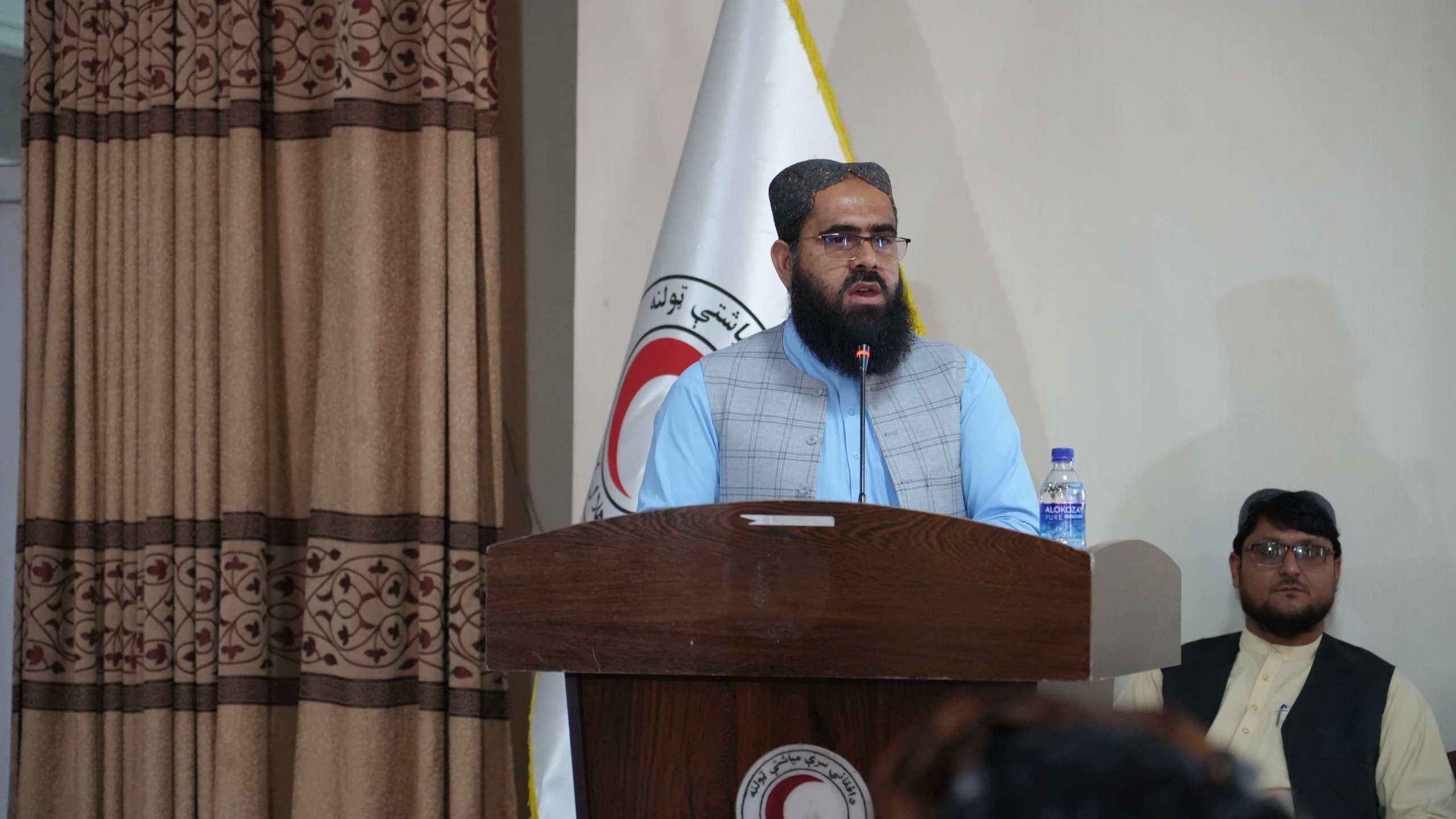
At the initiative of the ARCS, a joint meeting was held with the participation of officials, health workers, and disaster management officers from the Herat, Paktia, Kabul, and Nangarhar regional offices, as well as the Paktika and Nimroz provincial branches, to review the ECO Project's activities over the past eight months and launch its new phase.
During the meeting, the services provided to returning refugees, achievements, challenges, and future plans were reviewed. Participants also shared their views and recommendations to further improve the organization, effectiveness, and quality of the services.
Mawlawi Rohullah Abdul Salaam, Under-Secretary General of Operational Affairs of the ARCS, described the continuous evaluation of activities as an important principle for improving the quality of services and expressed his appreciation to the organization's partners for their continued cooperation in supporting returning refugees.
Dr. Abdullah Irfan, Director of Health Services, said that through the ECO Project, returning refugees receive health services, non-food items, and cash assistance. He added that the findings of the evaluation will be used to ensure the more effective implementation of services during the project's next phase.
Dr. Zarkhan Ahmadzai, Director of International Relations, said that the extension of the ECO Project for twenty months reflects the effectiveness of the ARCS's activities, the quality of its services, and the commitment of its team.
Ms. Mari Manrique, representative of the IFRC, praised the humanitarian services of the ARCS and reaffirmed that the IFRC will continue its cooperation in supporting returning refugees and other vulnerable people.
It is worth noting that the ECO Project is implemented by the ARCS with financial support from the European Union, in coordination with the IFRC, the Danish Red Cross, and the Norwegian Red Cross.
In coordination with its national and international partners, the ARCS continues its efforts to make healthcare services, humanitarian assistance, and programs aimed at improving the lives of returning refugees and other people in need more effective and sustainable.
